TOPIC · 21 BOOKS
Economics and finance
Books I have read about economics and finance, brought together across genres, periods and countries.
VIEW IN THE CATALOGUE →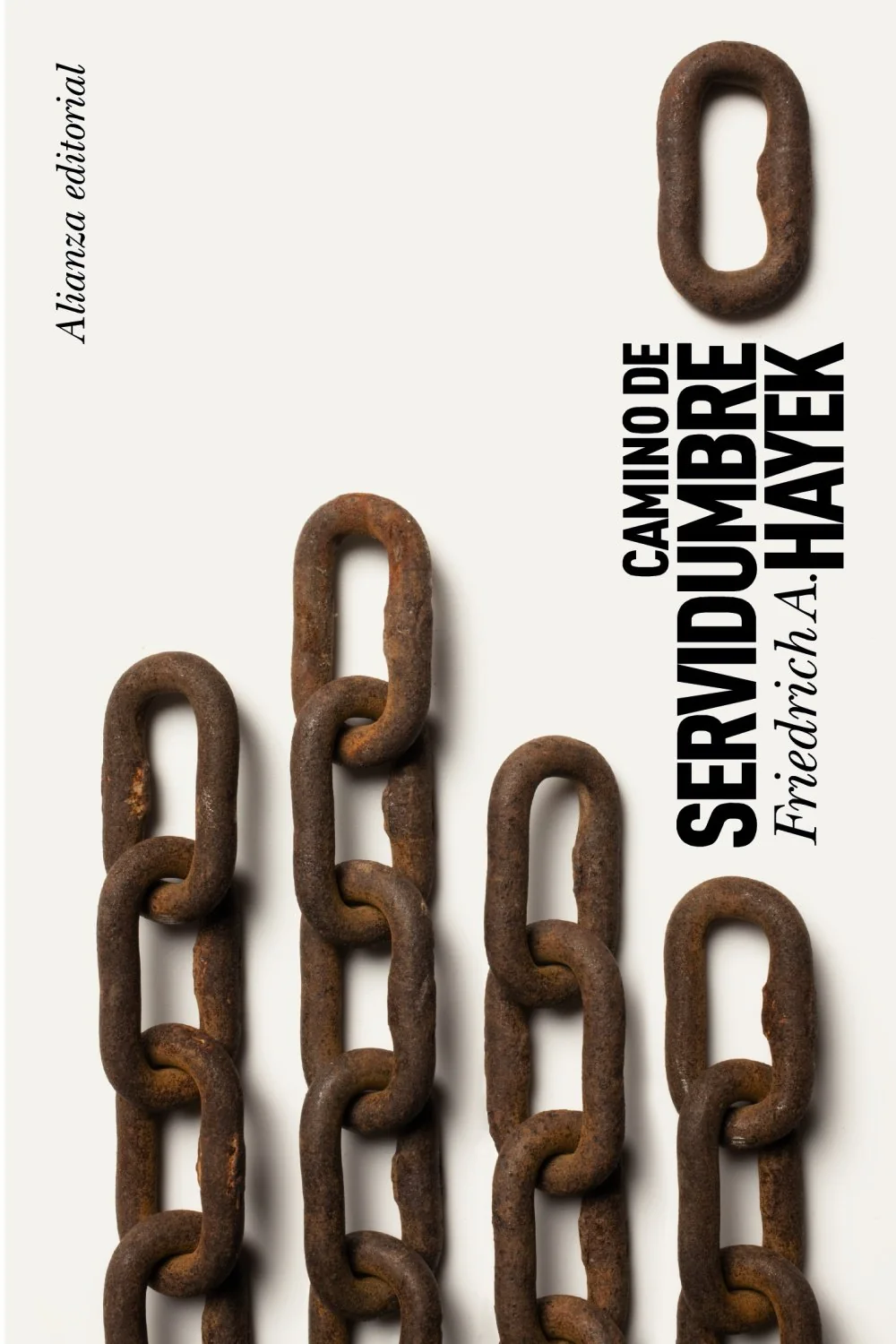 👍🏼👍🏼⭐️Excellent
The Road to Serfdom
Friedrich A. HayekOne of the books that most influenced my thinking about the power of the state and the risks of economic planning, which I have read many times and it is completely up-to-date, is one of those books that should not be overlooked and that has shaped my thinking the most.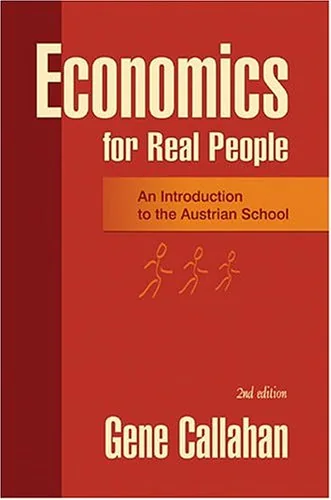 👍🏼👍🏼Very good
Economics for Real People: An Introduction to the Austrian School
Gene CallahanVery interesting and easy to read. A clear introduction to the Austrian school and its way of explaining prices, capital, money and individual decisions.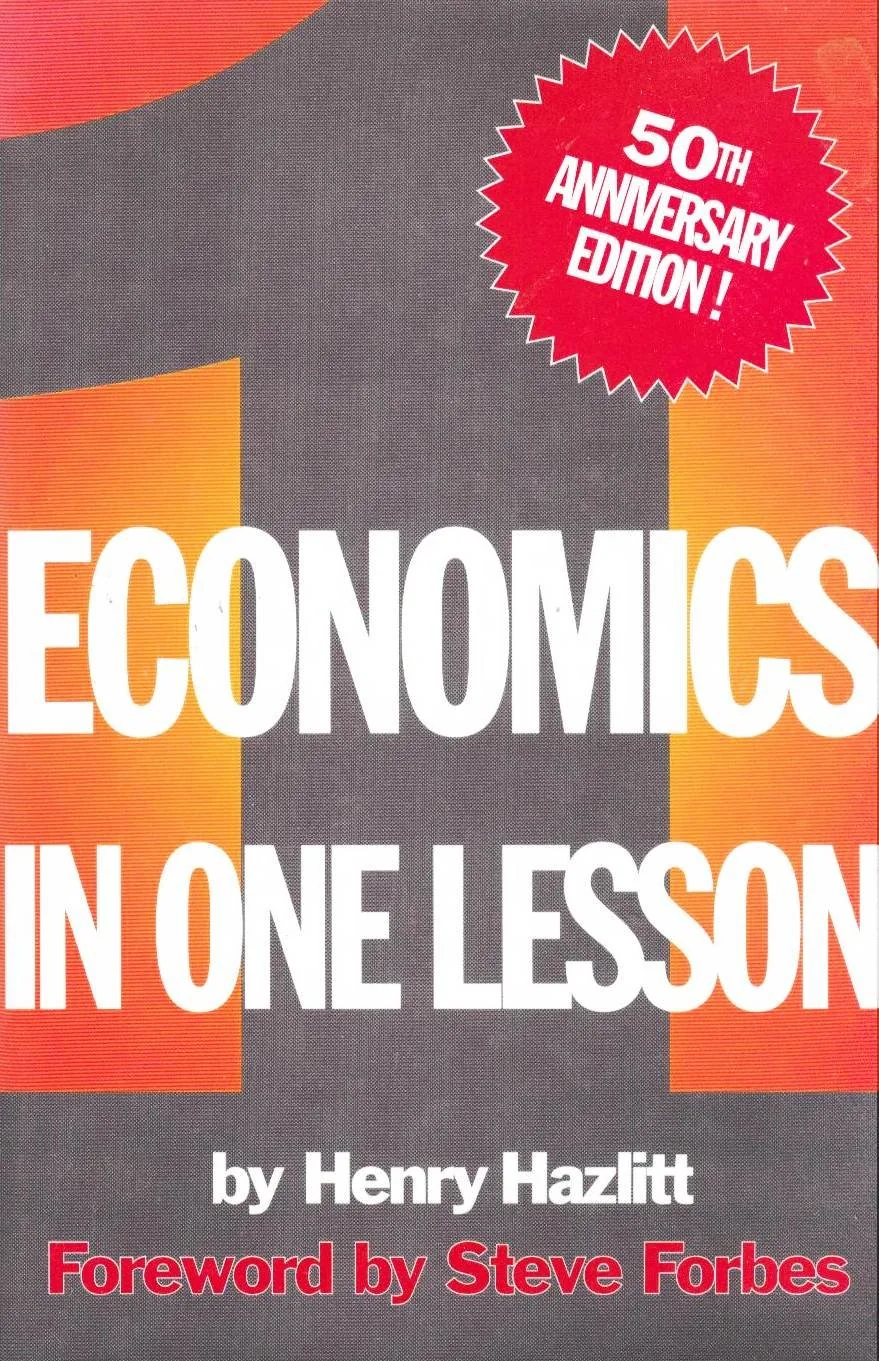 👍🏼👍🏼⭐️Excellent
Economics in One Lesson
Henry HazlittI loved it. It is easy to read and should be required reading. It is one of the economics books I have reread most often. Its argument for looking at the indirect and long-term consequences of every policy sounds simple, but I find something new each time I return to it.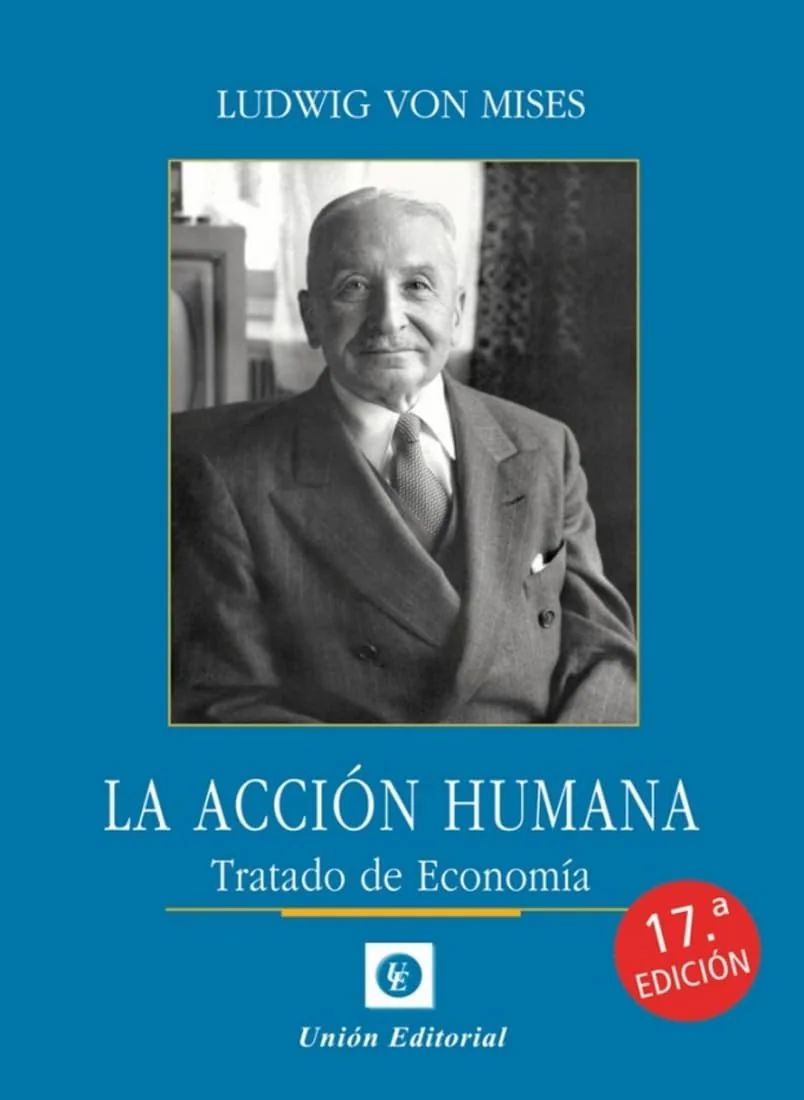 👍🏼👍🏼⭐️Excellent
Human Action
Ludwig von MisesA huge, demanding book that tries to build a whole explanation of economics from human decisions.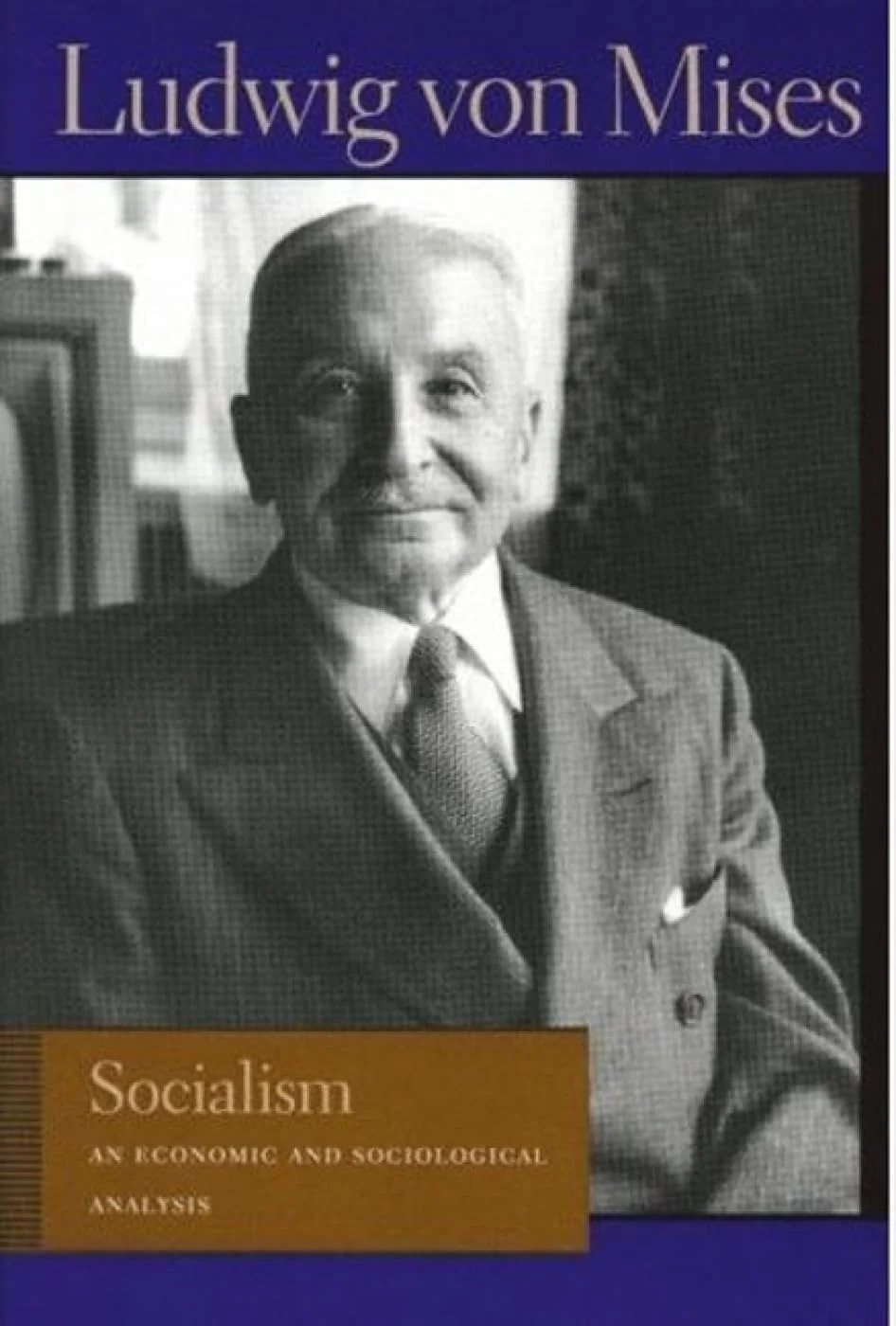 👍🏼👍🏼Very good
Socialism: An Economic and Sociological Analysis
Ludwig von MisesA very comprehensive analysis of the economic and social problems of socialism. It is long and quite demanding, but it helps to understand why incentives and information are so important when organizing an economy.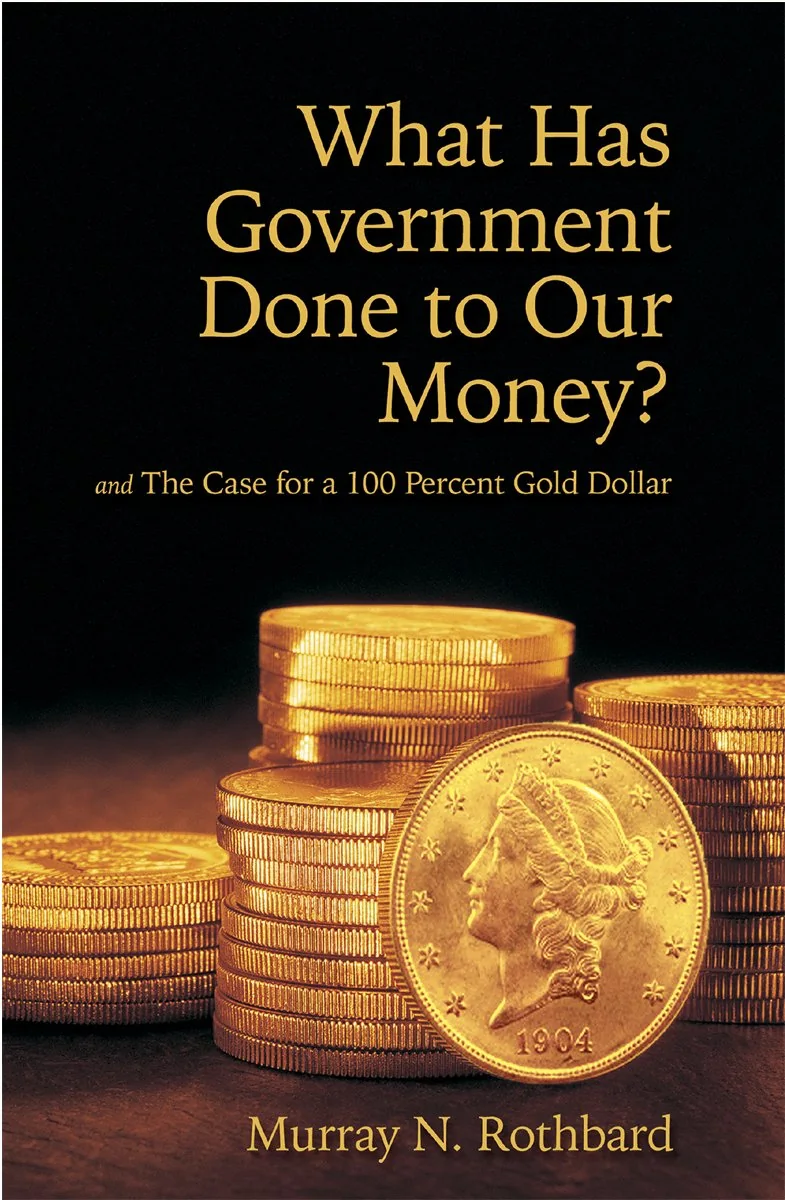 👍🏼👍🏼Very good
What Has Government Done to Our Money? and The Case for a 100 Percent Gold Dollar
Murray N. RothbardIt is a very clear explanation of the Austrian view on money, inflation and state intervention, which I liked because it forces us to think about things that we normally take for granted, although I do not necessarily share every conclusion.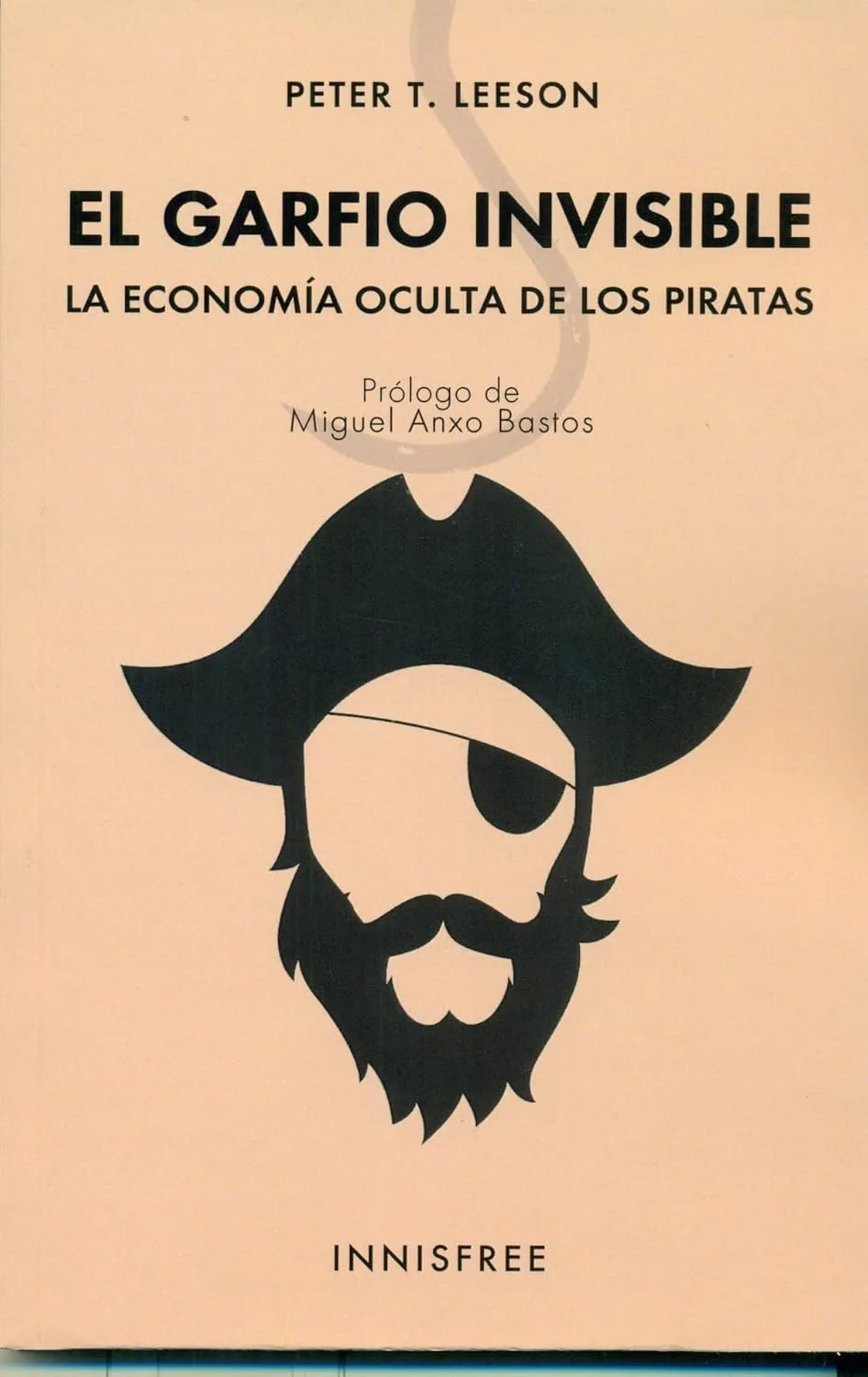 👍🏼👍🏼⭐️Excellent
The Invisible Hook: The Hidden Economics of Pirates
Peter T. LeesonA very interesting book about how pirates created rules, incentives and organizational ways to work together.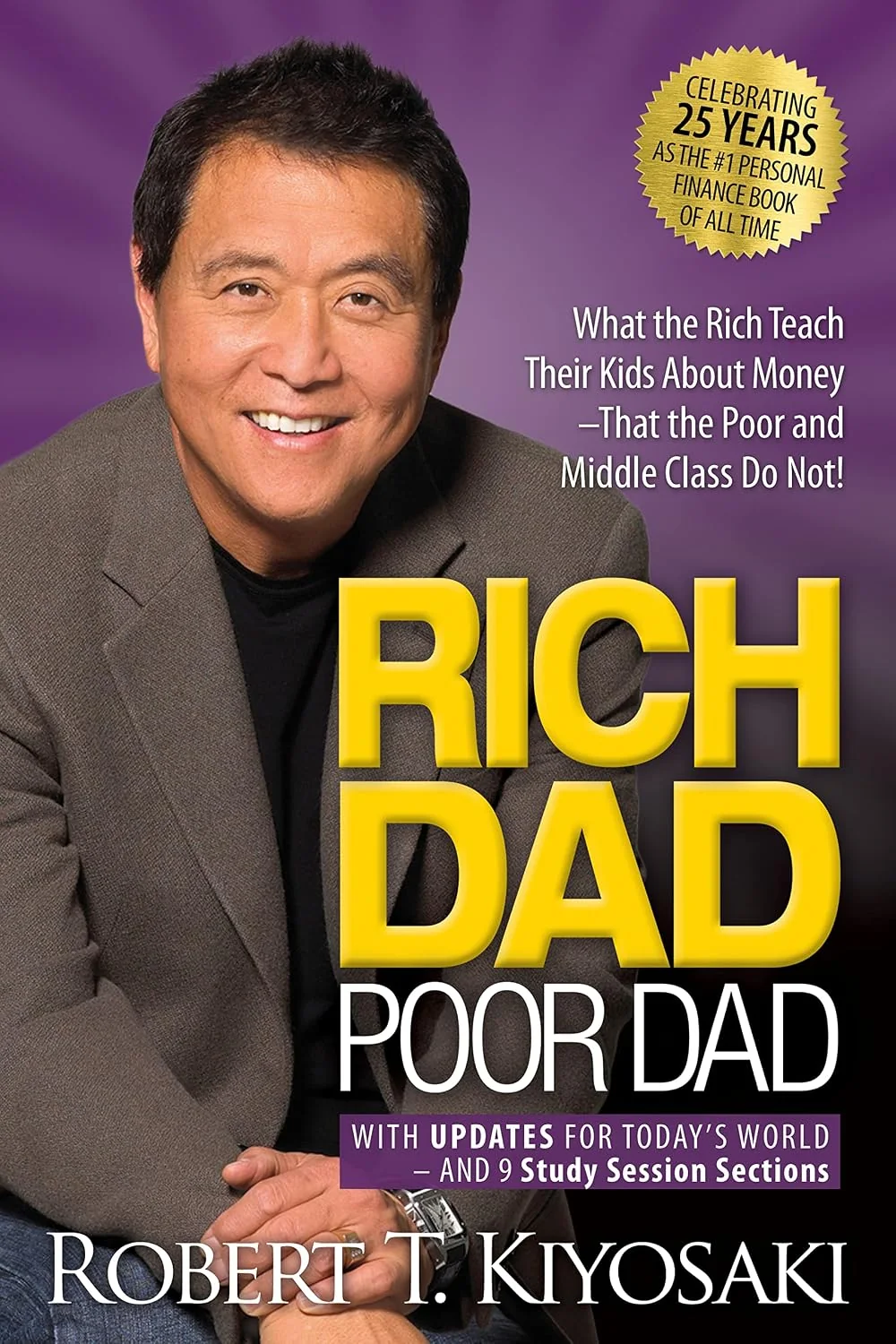 👍🏼👍🏼Very good
Rich Dad Poor Dad: What the Rich Teach Their Kids About Money—That the Poor and Middle Class Do Not!
Robert T. KiyosakiA book that had a huge influence on how I first thought about assets, income and financial freedom. It simplifies some things too much, but its main ideas aren't wrong and it's important to understand them. 👍🏼👍🏼Very good
Freakonomics: A Rogue Economist Explores the Hidden Side of Everything
Steven D. LevittA very funny book about how to use data and incentives to answer very rare questions. Some conclusions are debatable, but I loved the way you look at everyday problems from another angle.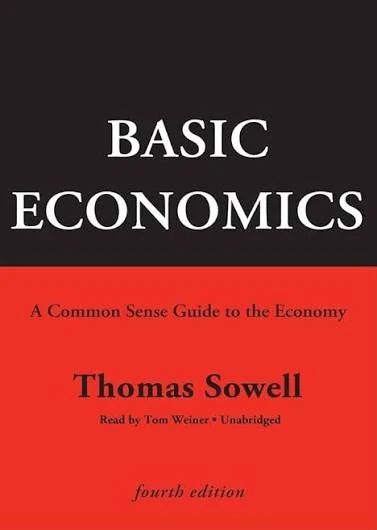 👍🏼👍🏼⭐️Excellent
Basic Economics: A Citizen's Guide to the Economy
Thomas SowellOf the books you have to read over and over again. A huge, very clear explanation of how prices, incentives, trade and public policy work. I liked it because it tries to start from real consequences rather than good intentions, and I learned a lot.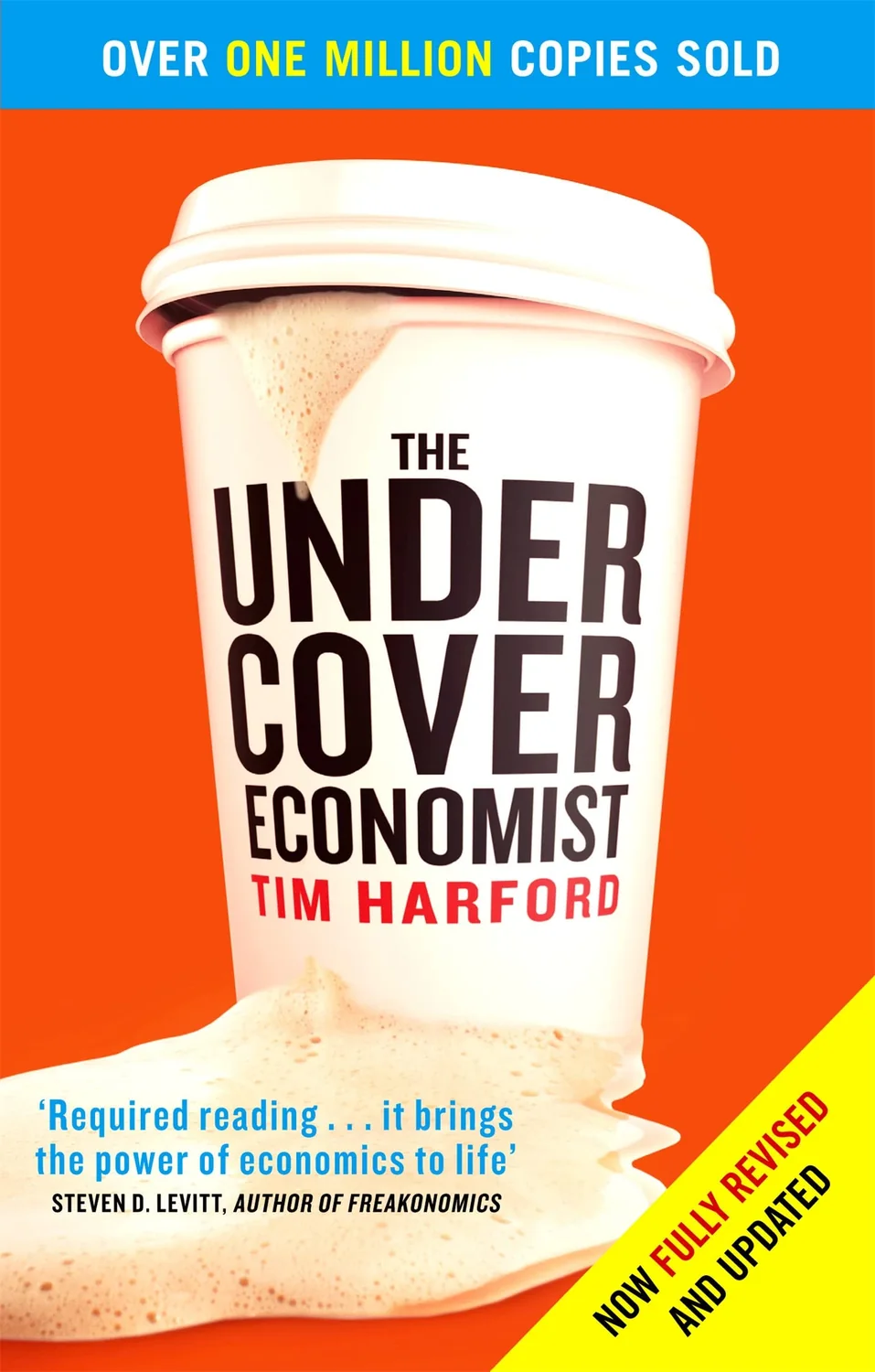 👍🏼👍🏼Very good
The Undercover Economist
Tim HarfordA very entertaining way to understand the economy through coffee, supermarkets, cities and everyday decisions. I liked it because after reading it you start seeing incentives and prices everywhere.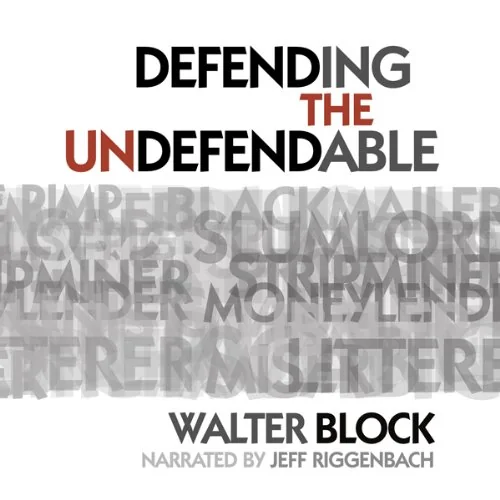 👍🏼👍🏼Very good
Defending the Undefendable
Walter BlockA provocative book that attempts to analyze socially hated activities and characters from the perspective of individual freedom and incentives.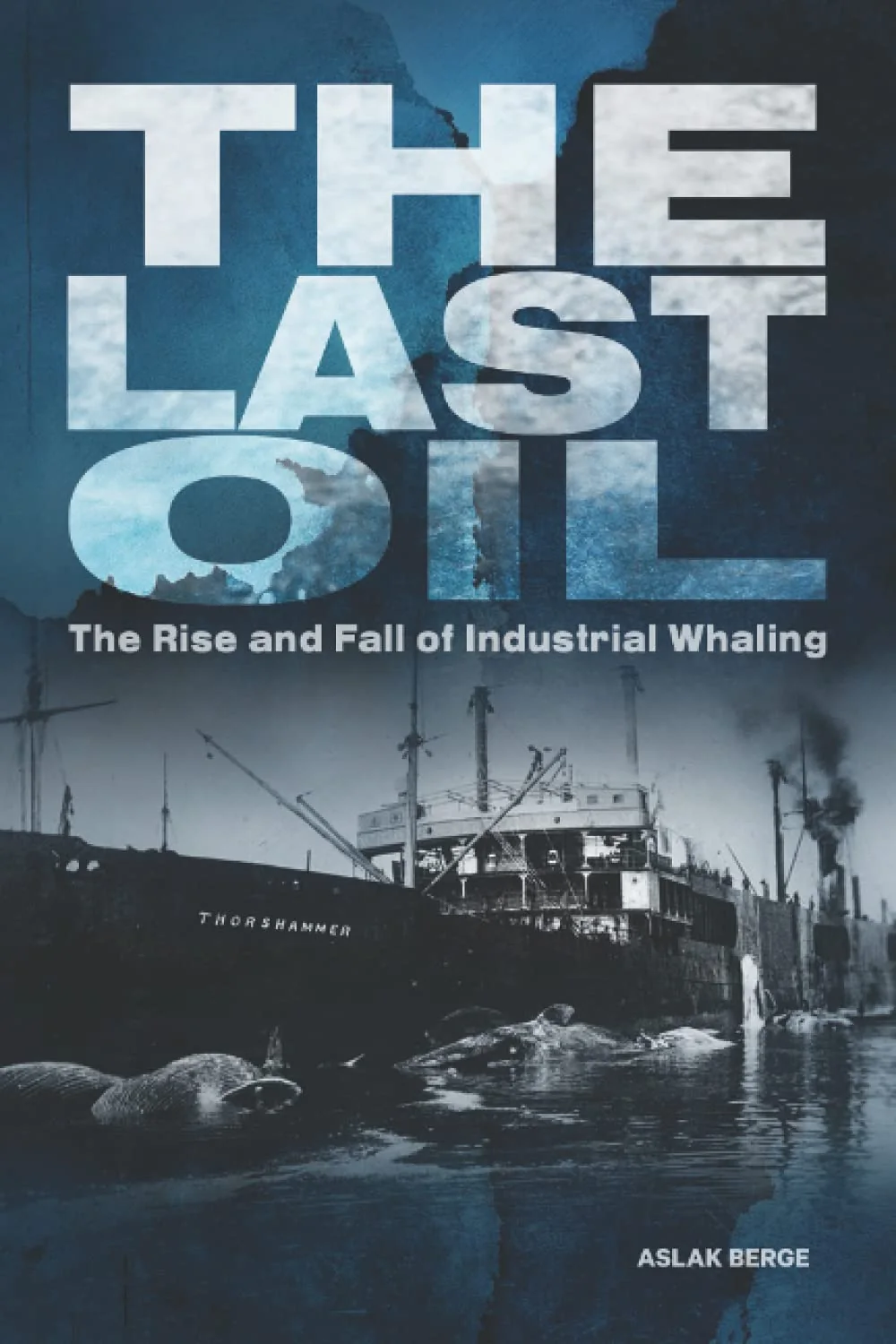 👍🏼👍🏼⭐️Excellent
The Last Oil: The Rise and Fall of Industrial Whaling
Aslak BergeIt tells how whaling in Antarctica became a huge global industry, how factory ships and whaling stations worked, and the role that Argentina, the South Atlantic islands and companies like Unilever played, which was one of the biggest buyers of whale oil. It's a book of economic, maritime and business history filled with characters, technology, money, and adventures in some of the most remote places on earth.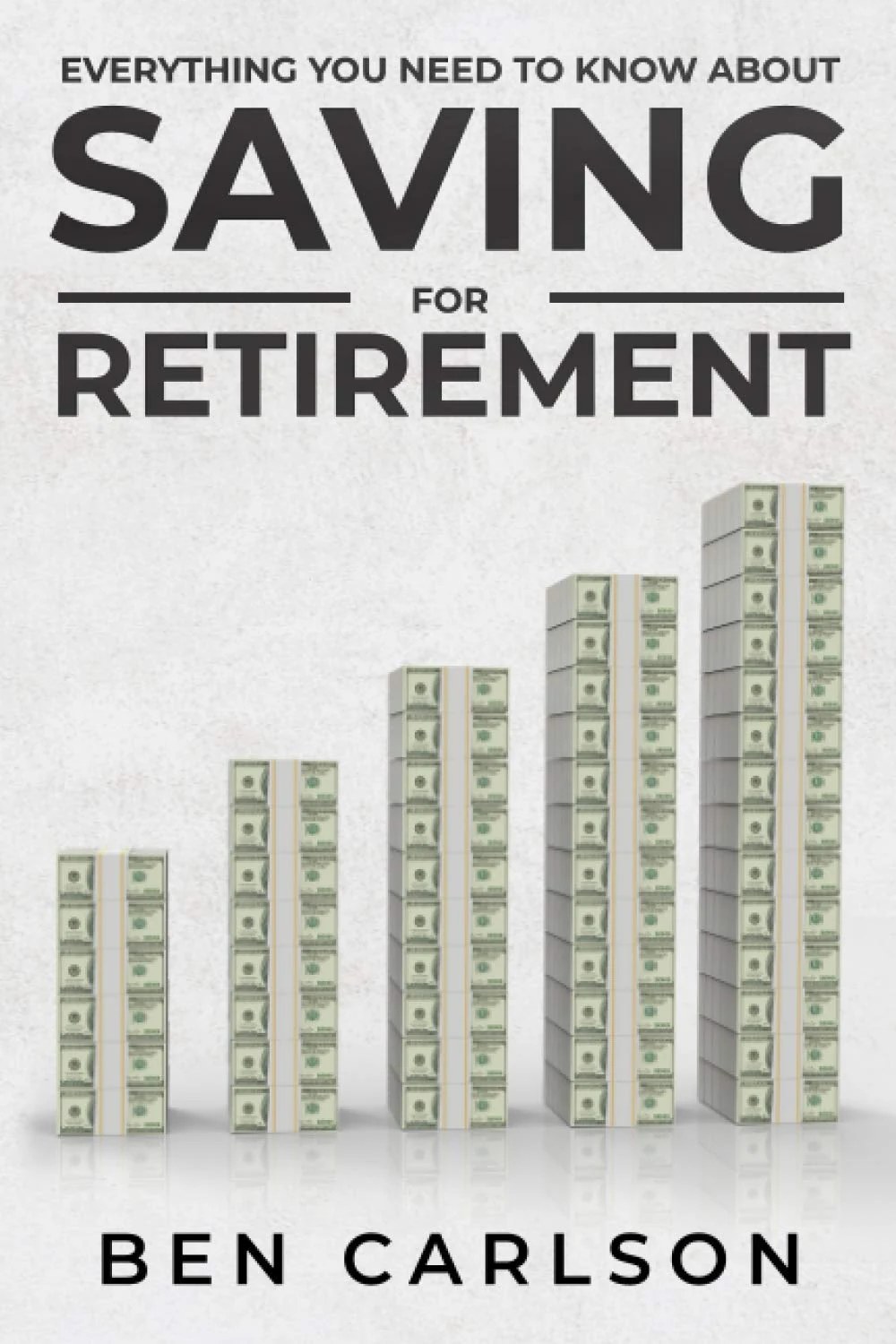 👍🏼👍🏼Very good
Saving for retirement
Ben CarlsonA very simple and very clear book about personal finance and how to save for retirement. It's a book that everyone should read between the ages of 20 and 40 at least, to get ready (the sooner the better).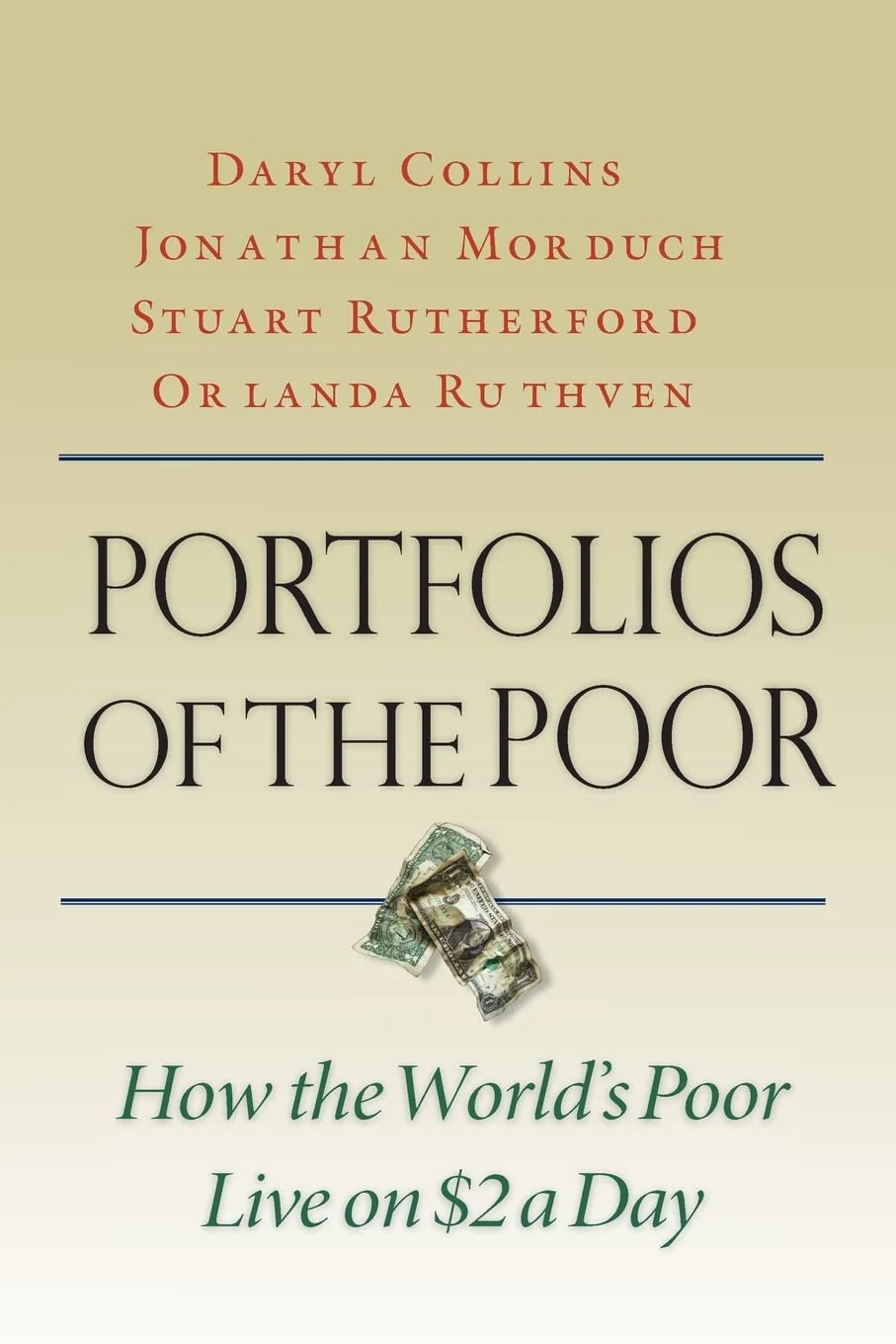 👍🏼👍🏼⭐️Excellent
Portfolios of the Poor
Daryl Collins, Jonathan MorduchHow people in extreme poverty manage their finances, and the triple whammy -- low, irregular, unpredictable income.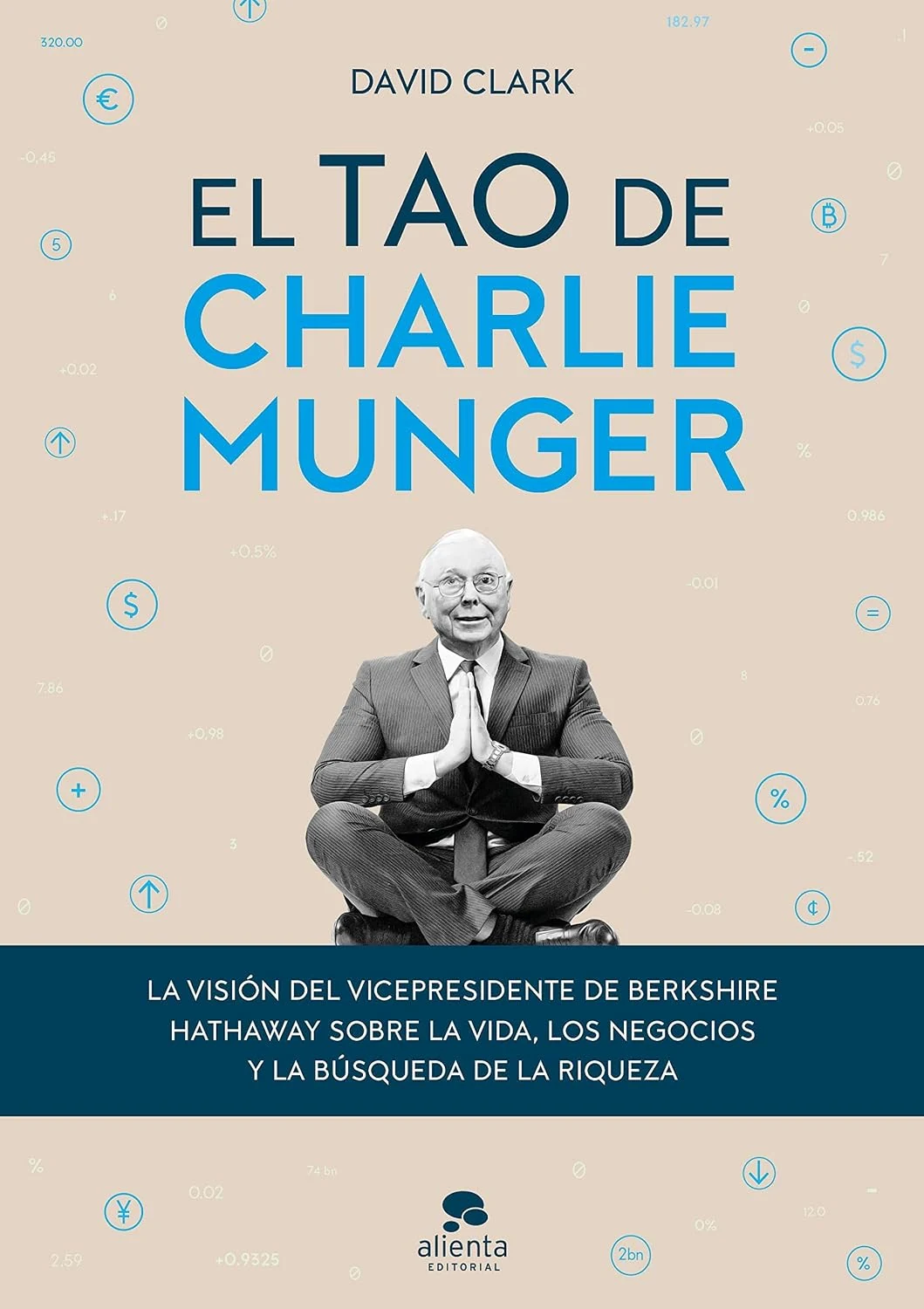 👍🏼👍🏼Very good
The Tao of Charlie Munger
David ClarkCharlie Munger is Warren Buffet's partner, they're the best investors in the world, and this book is full of practical lessons about business, investing and life distilled from Munger's speeches and writings.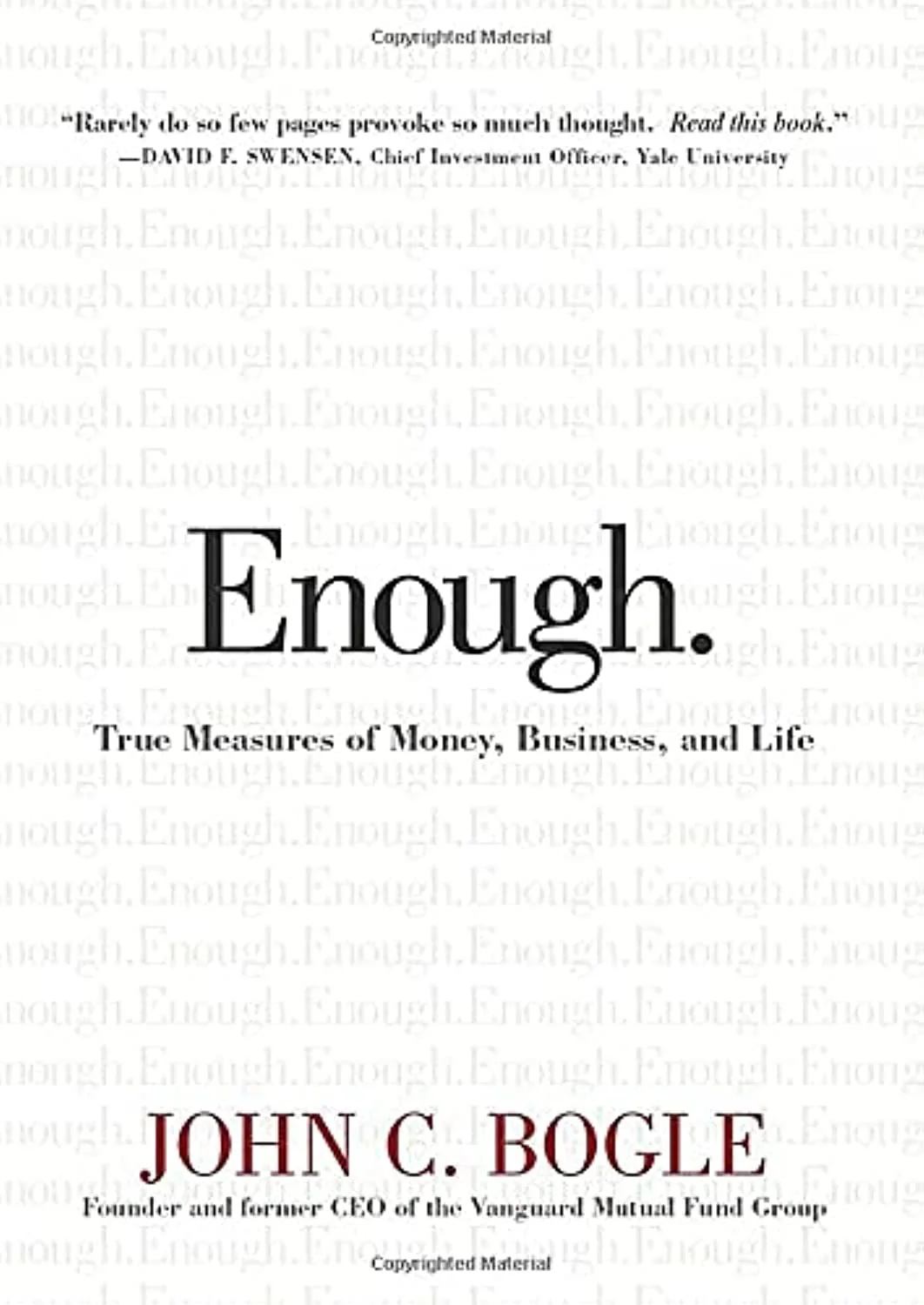 👍🏼👍🏼Very good
Enough
John C. BogleA very interesting book about money, wealth, happiness and what's enough. Very interesting explanations about investments and funds. John C. Bogle was the founder of Vanguard, one of the world's leading investment banks.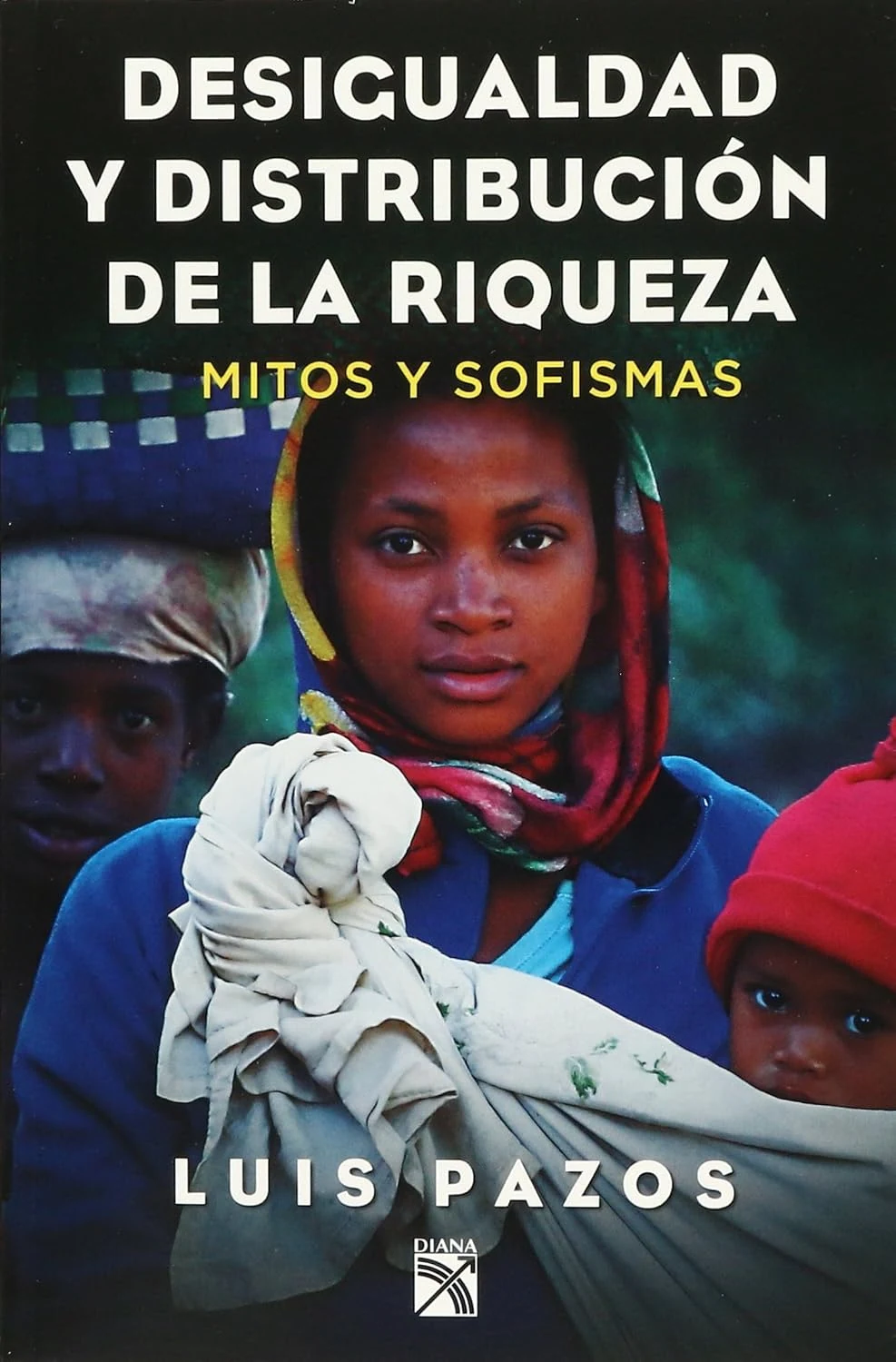 👍🏼Good
Desigualdad y distribución de la riqueza
Luis PazosA simple read on the demagogy that exists around wealth inequality and how it would be easier to reduce poverty.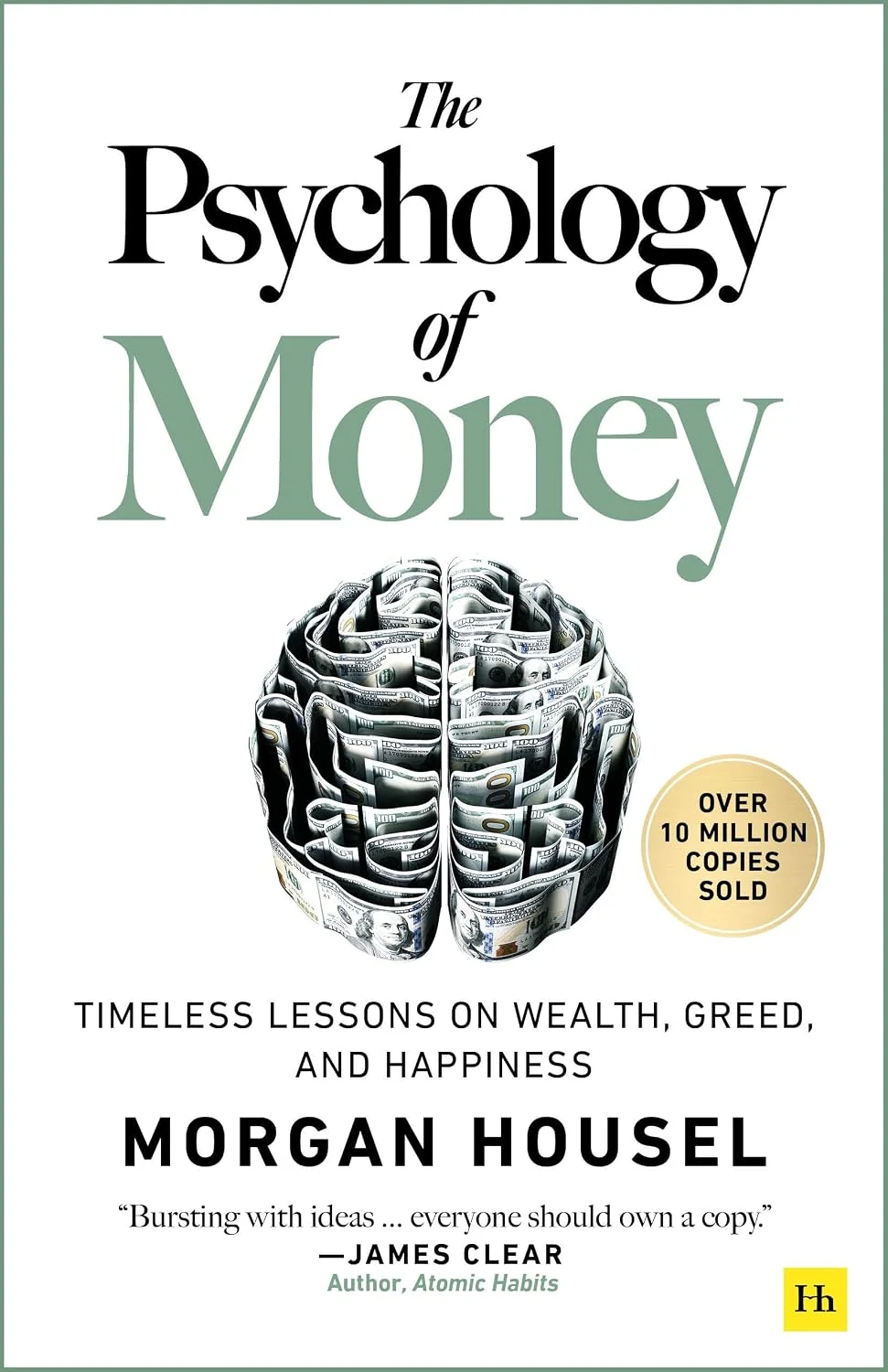 👍🏼👍🏼⭐️Excellent
The psychology of money
Morgan HouselOne of the best books I've ever read about financial education and understanding money. It's a book that tells 19 stories about how people understand money, their relationship with it, and good and bad financial decisions.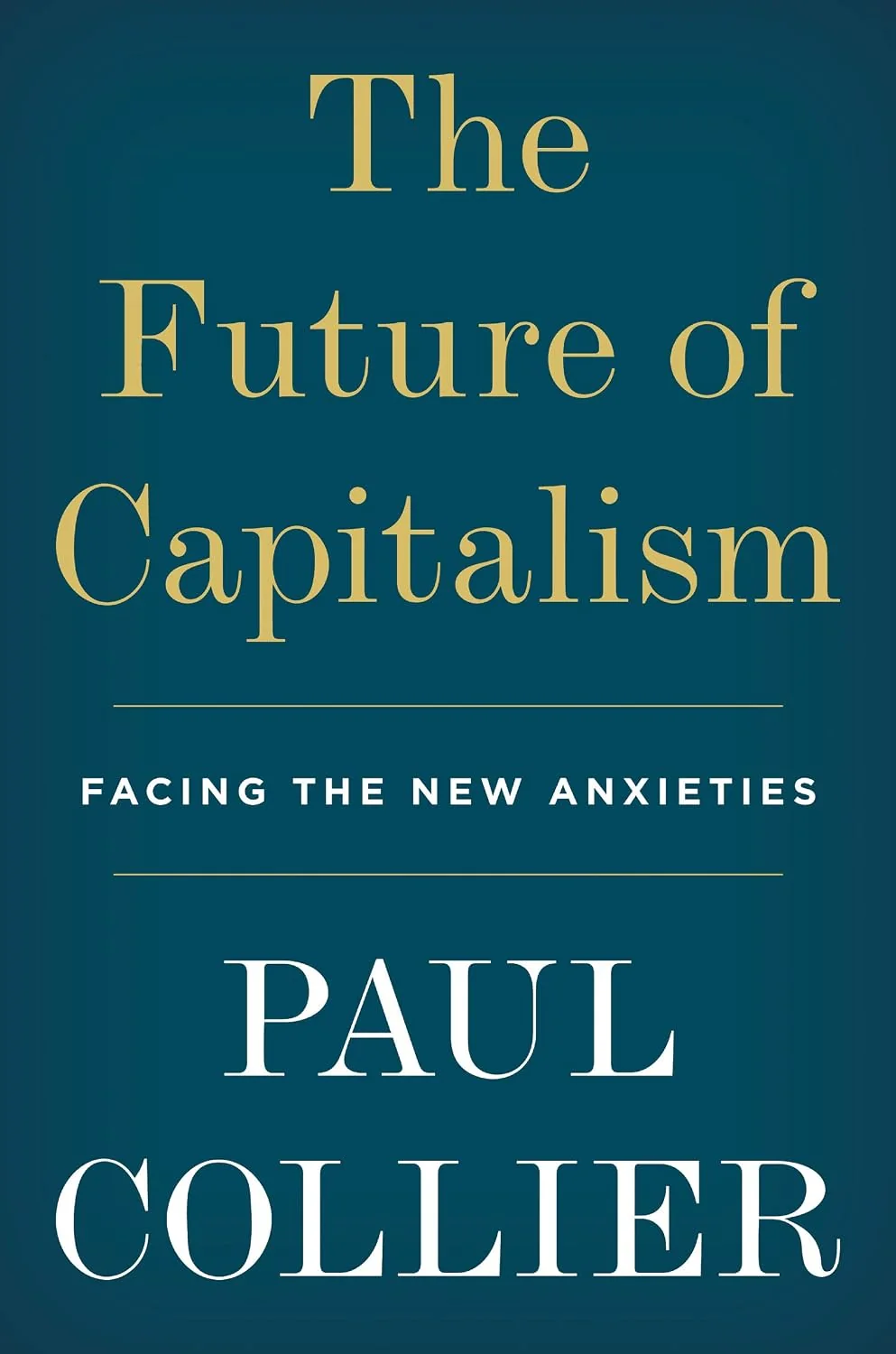 👍🏼👍🏼Very good
The future of capitalism
Paul CollierThis book made me think a great deal about the current economic and social system. I agree with much of its analysis of capitalism and almost none of its proposals. I do not think they would work. 👍🏼👍🏼⭐️Excellent